All works → Data release
Data release
Public-ID Recovery for a Historical DESI DR1 Anomaly List: 170 High-Coordinate-Consistency Core and 11 Lower-Confidence Positional Associations
Supporting data release: public DESI IDs for the anomaly program's follow-up list
Abstract
A focused, reproducible public-identifier and provenance data release for the anomaly program's historical candidate list. Deterministic join and checkpoint machinery ties each candidate to a public DESI DR1 TARGETID, enabling auditable independent follow-up. The declared 1-arcsec positional join yields 181 warning-free global-primary DESI DR1 associations: 170 at or below 0.1 arcsec and 11 lower-confidence associations between 0.1 and 1 arcsec. The sub-0.1-arcsec core is expected seed self-recovery — the cluster centroid equals the seed DESI member's own coordinates by construction, verified end-to-end rather than an independent association test. The aggregate annular shift comparison is descriptive, not a conditional false-association null or purity estimate. The release carries exact source-row provenance, explicit quality tiers, warned-row auxiliary data, checksums, and a clean-checkout validator while declining physical classification, purity, novelty, and anomaly-rate claims unsupported by the underlying historical candidate list.
Result summary
- derived181 unique warning-free global-primary DESI DR1 TARGETIDs, partitioned exactly into 170 core and 11 lower-confidence positional associations
- open20,299,155 eligible DESI rows → 2,468 positional parents → 2,448 global-primary rows → 181 warning-free associations
- derivedEvery released row and all 18 carried DESI fields were re-read from the recorded FITS row and compared exactly
- openSixteen deterministic local shifts yield 86.7 ± 14.4 parent and 76.2 ± 13.3 warning-free-primary associations within 1 arcsec; the 11-row tail is not treated as secure identity
Figures
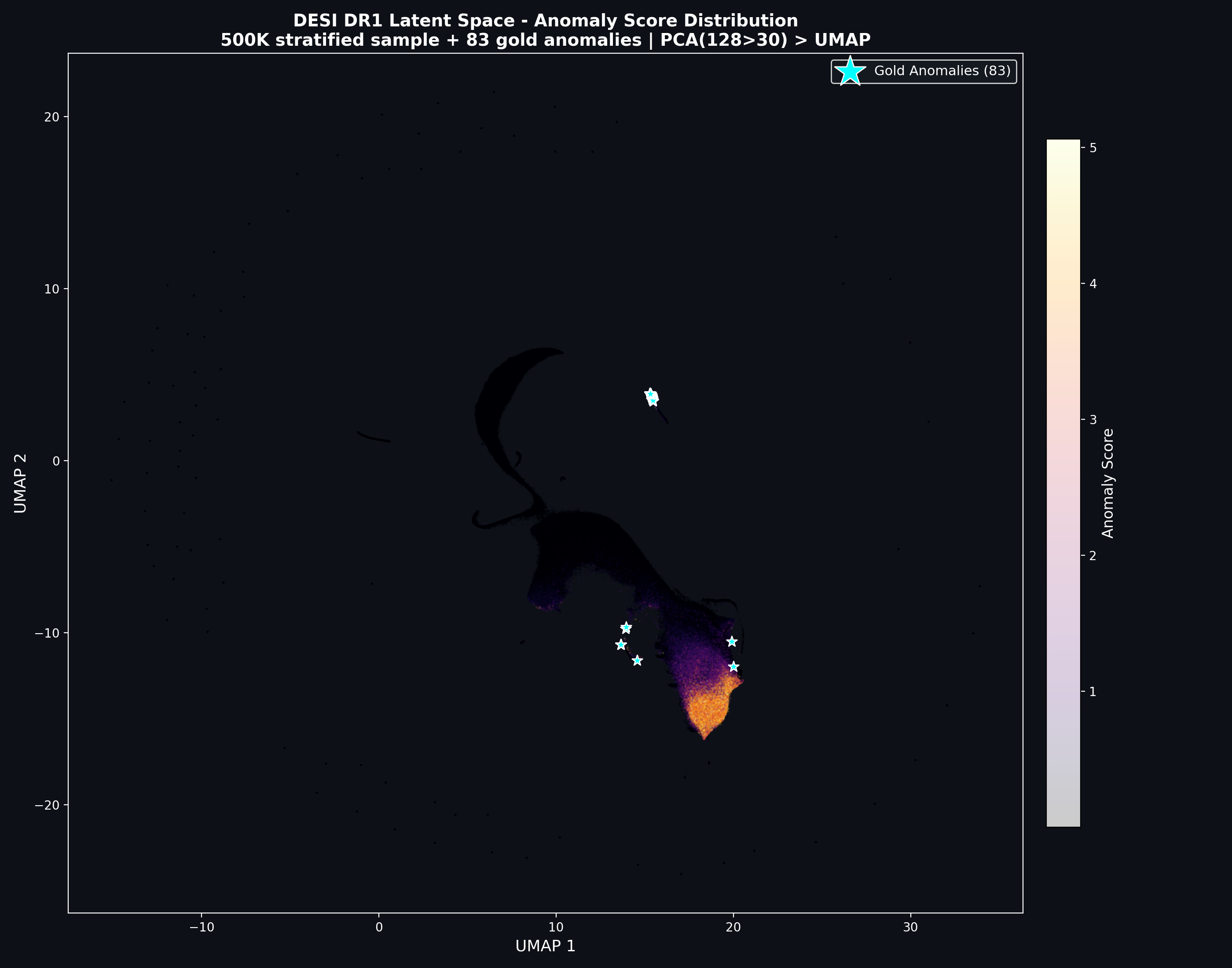
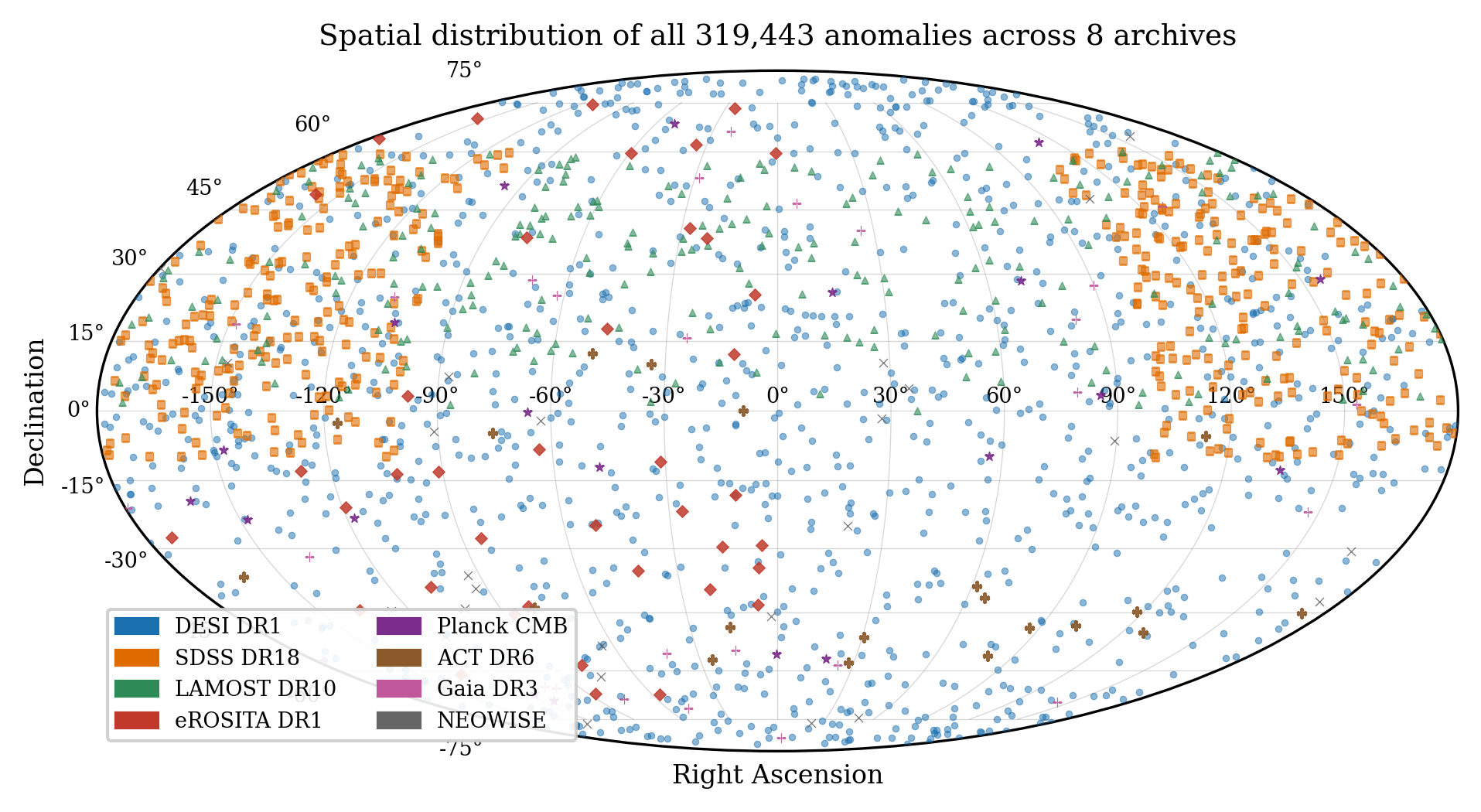
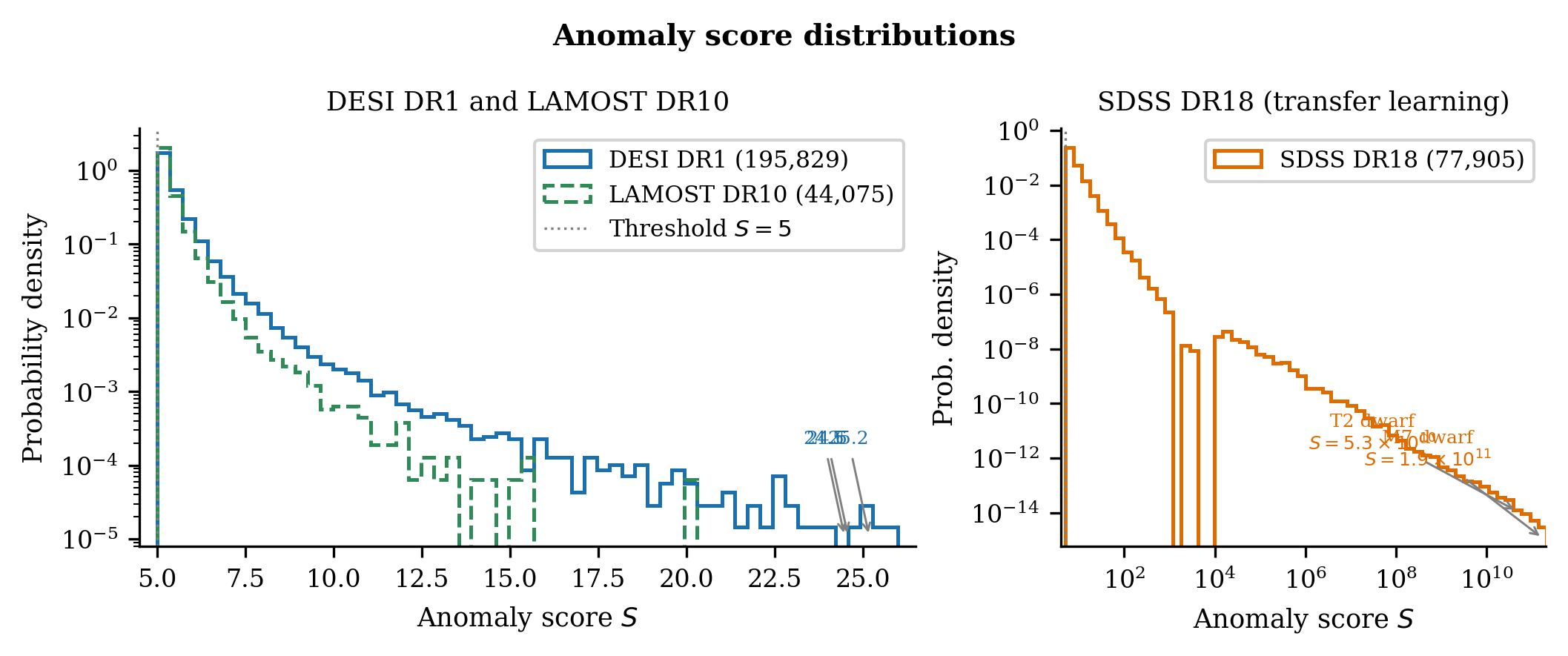
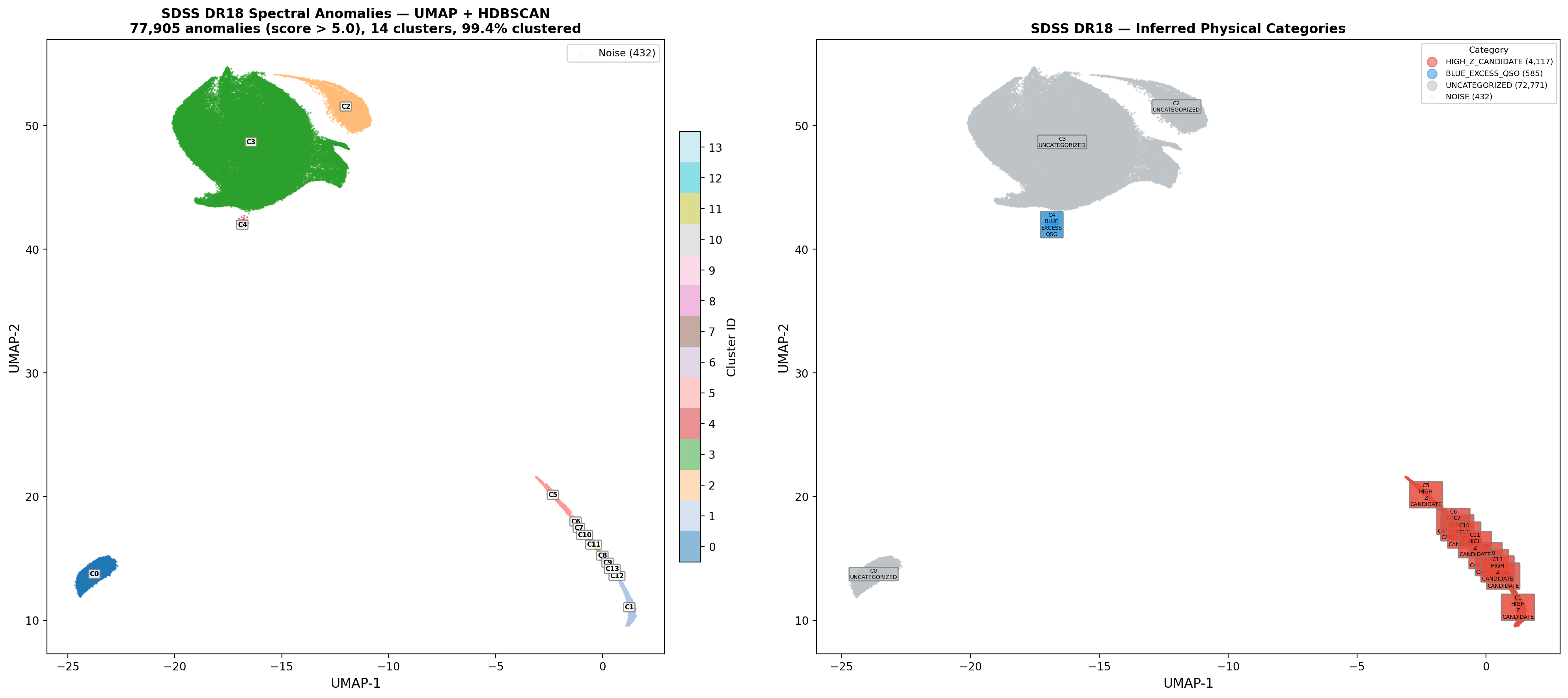
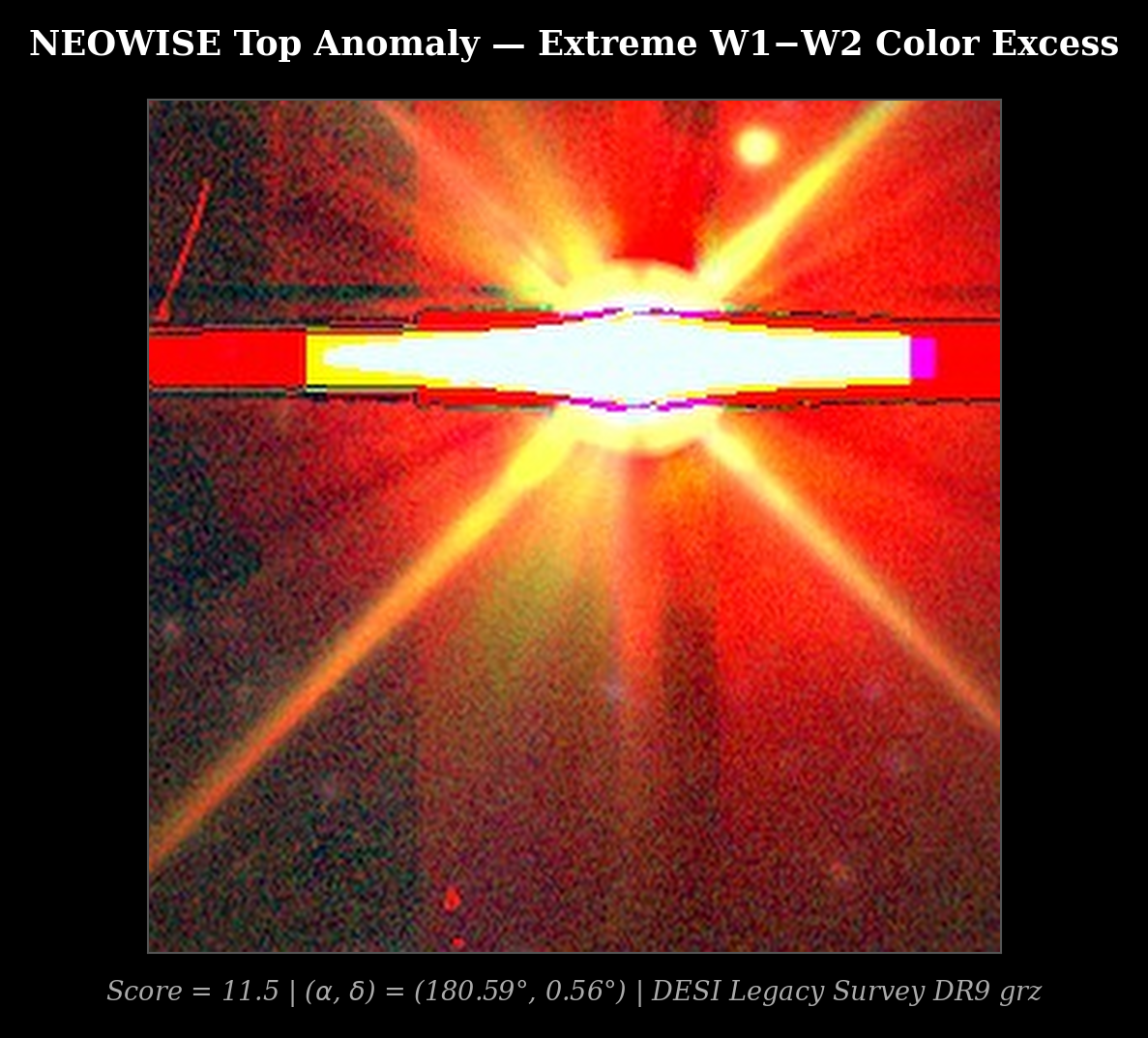
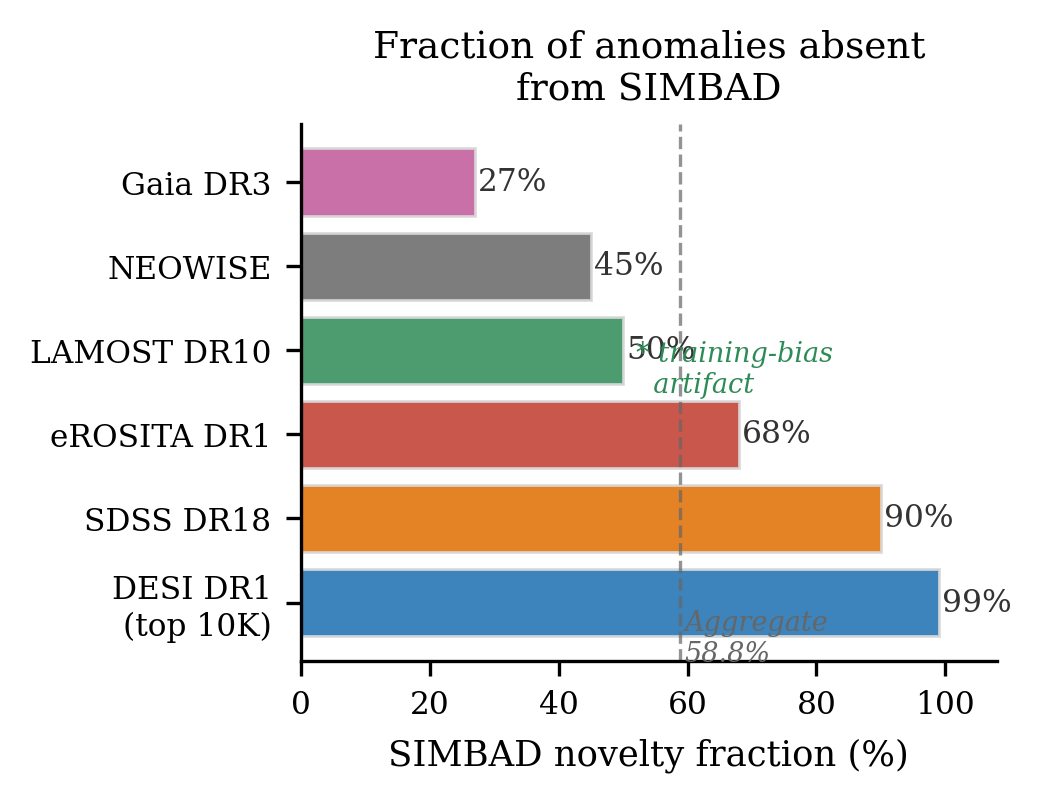
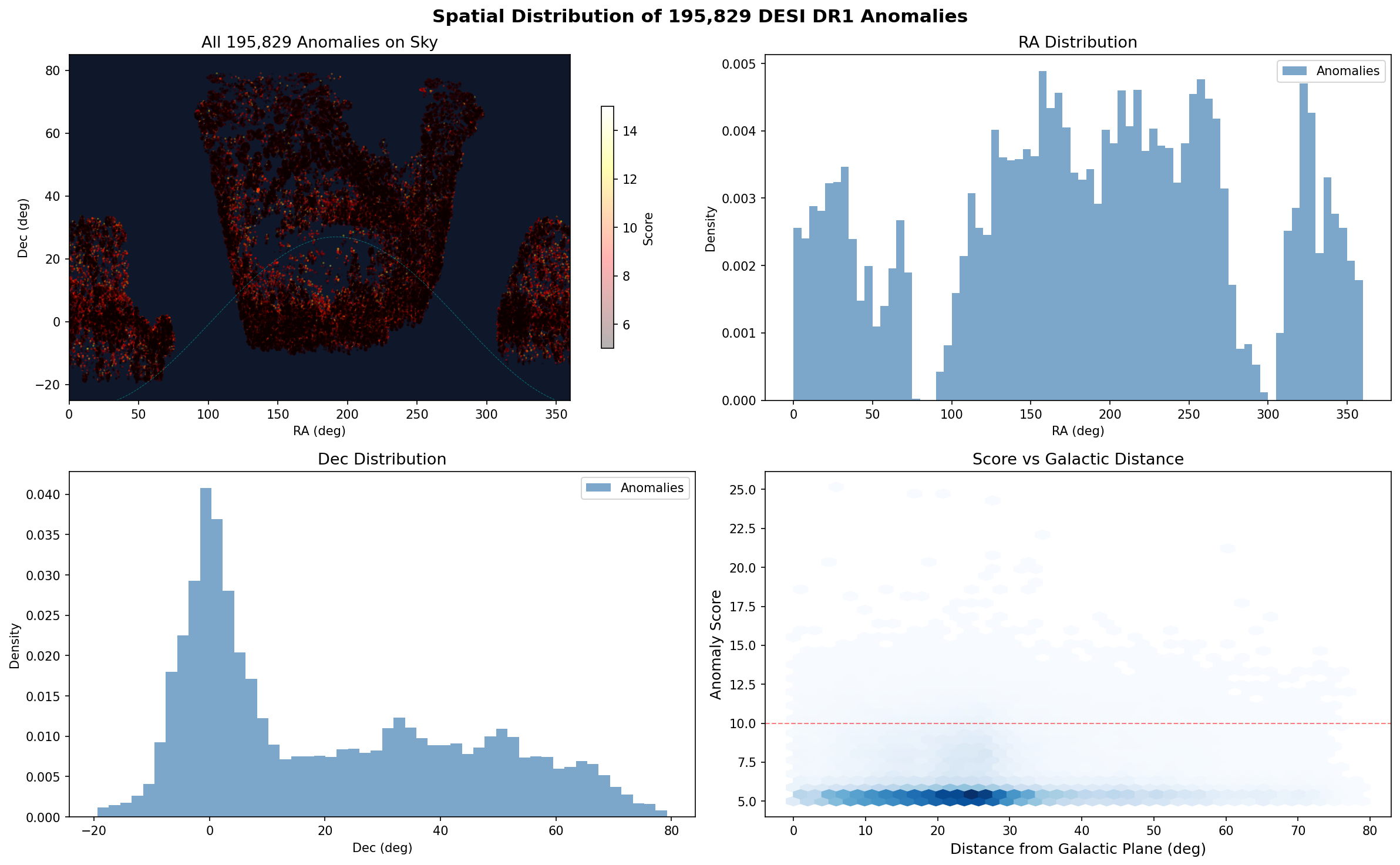
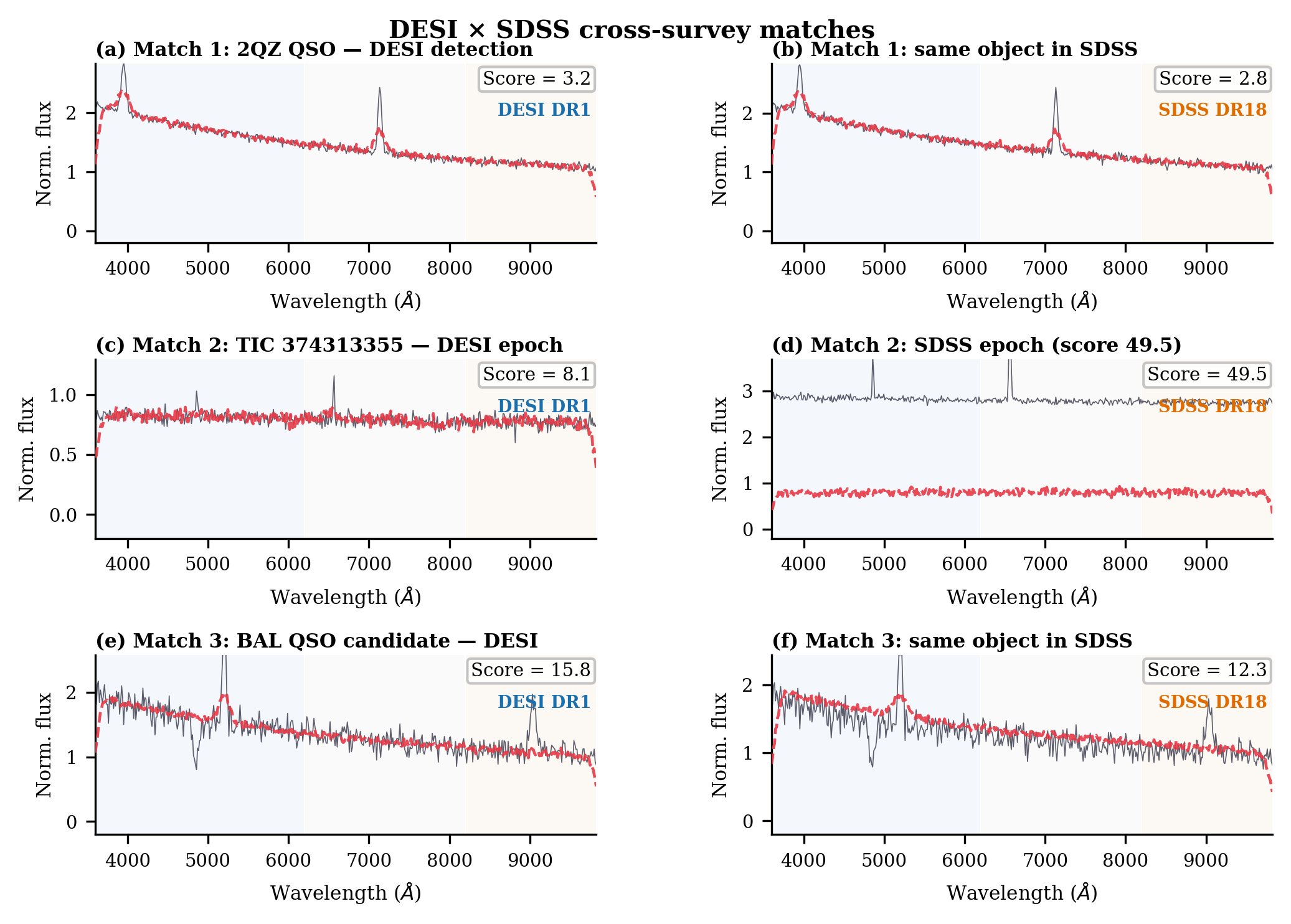
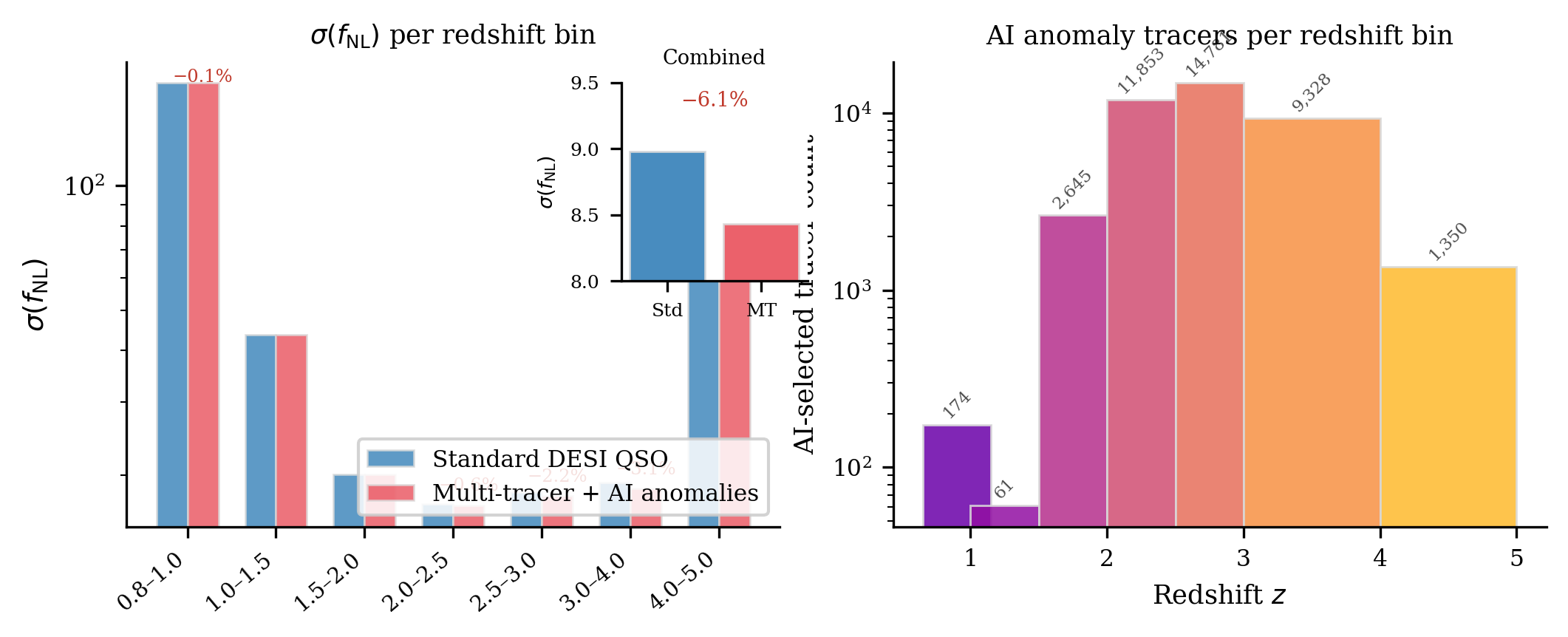
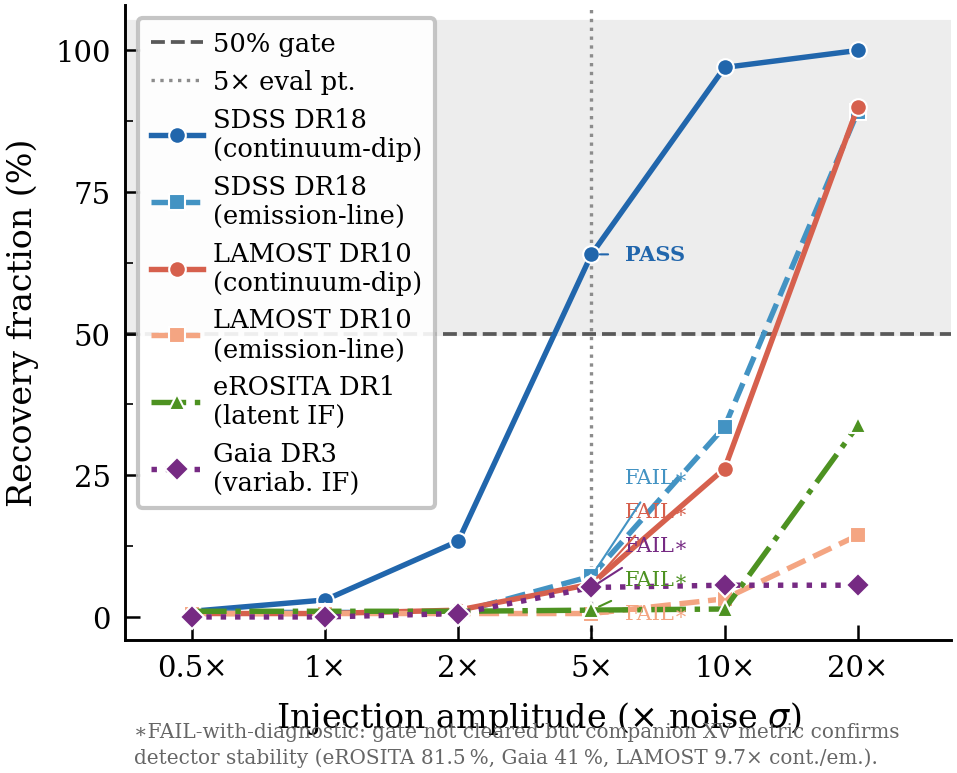
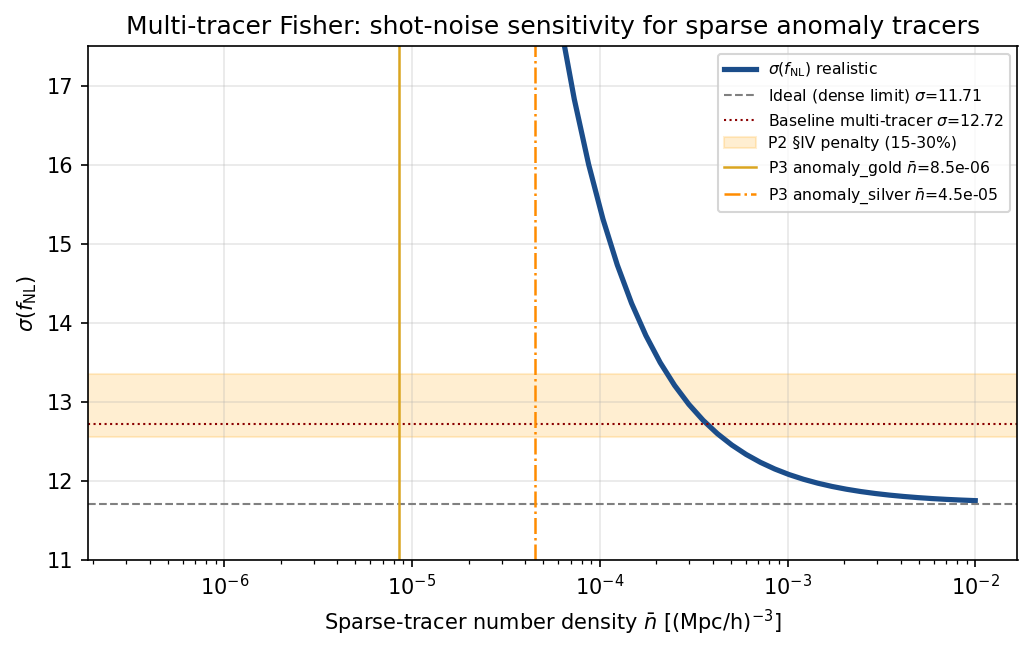
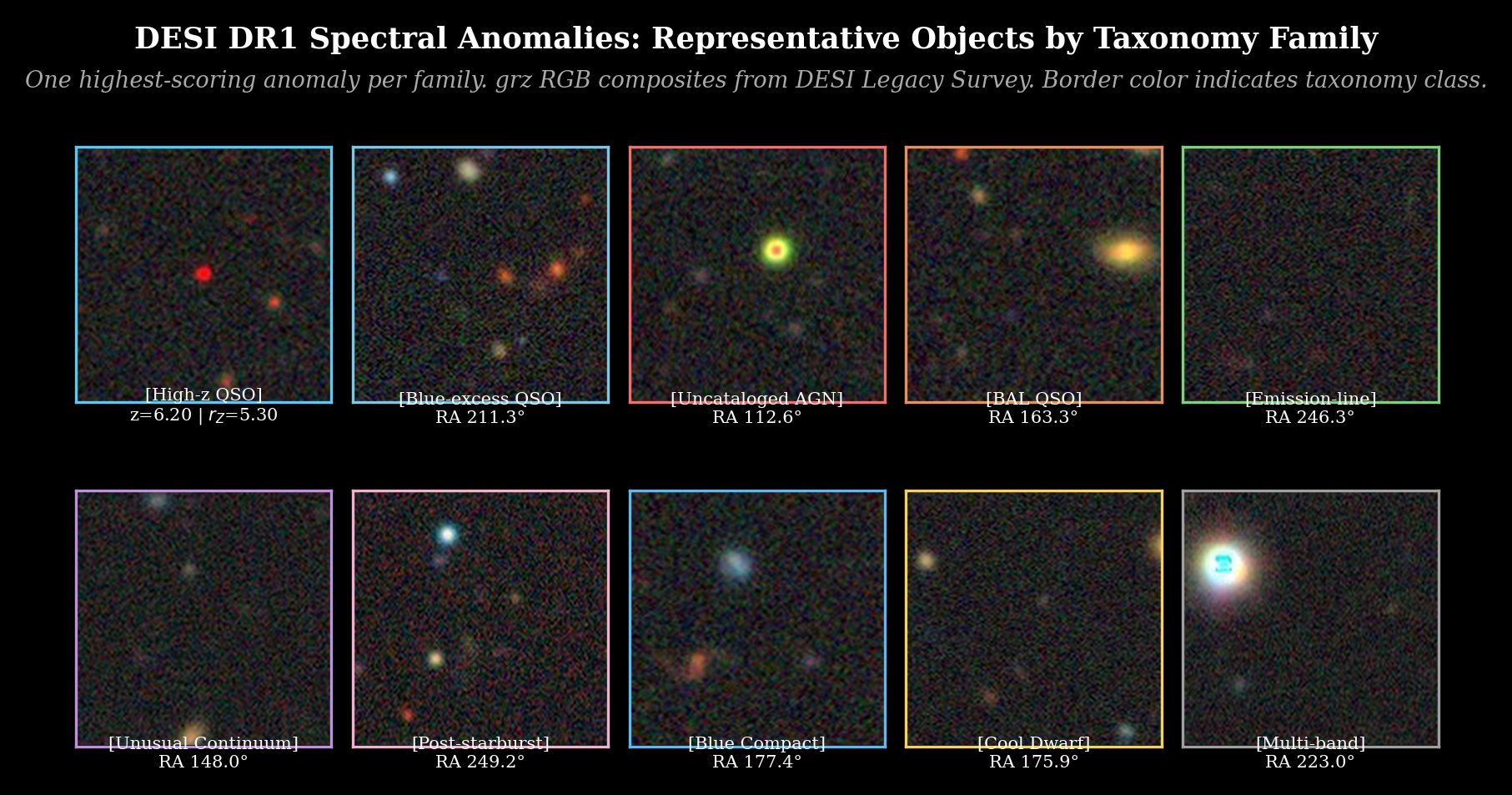
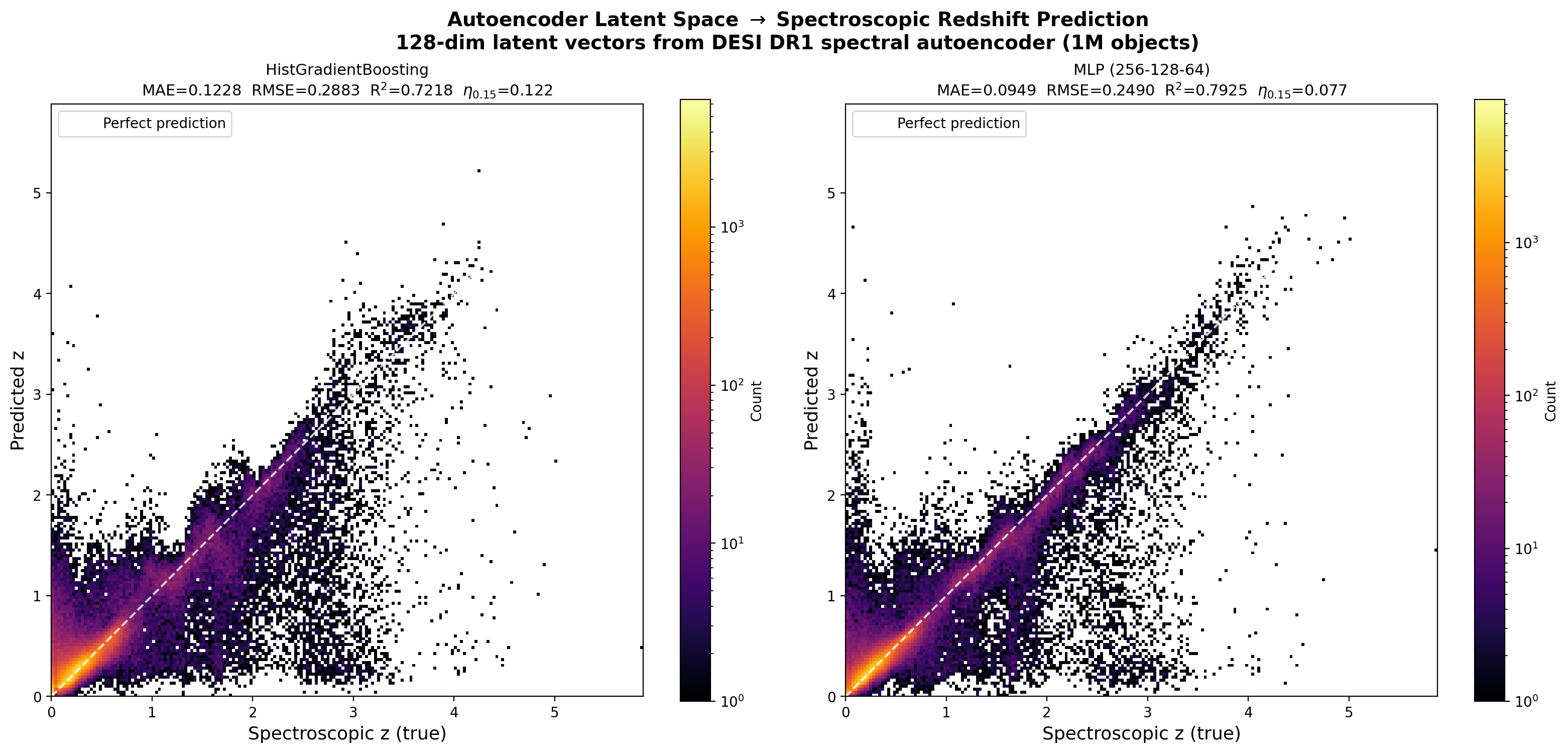
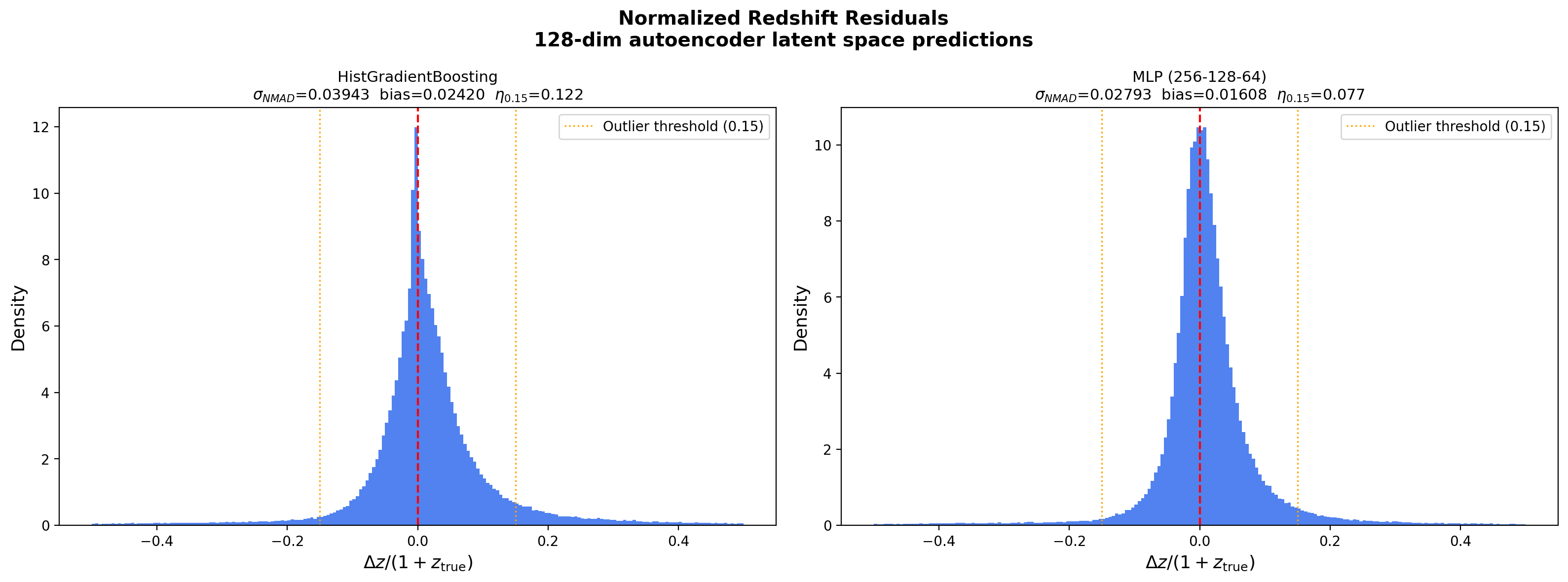
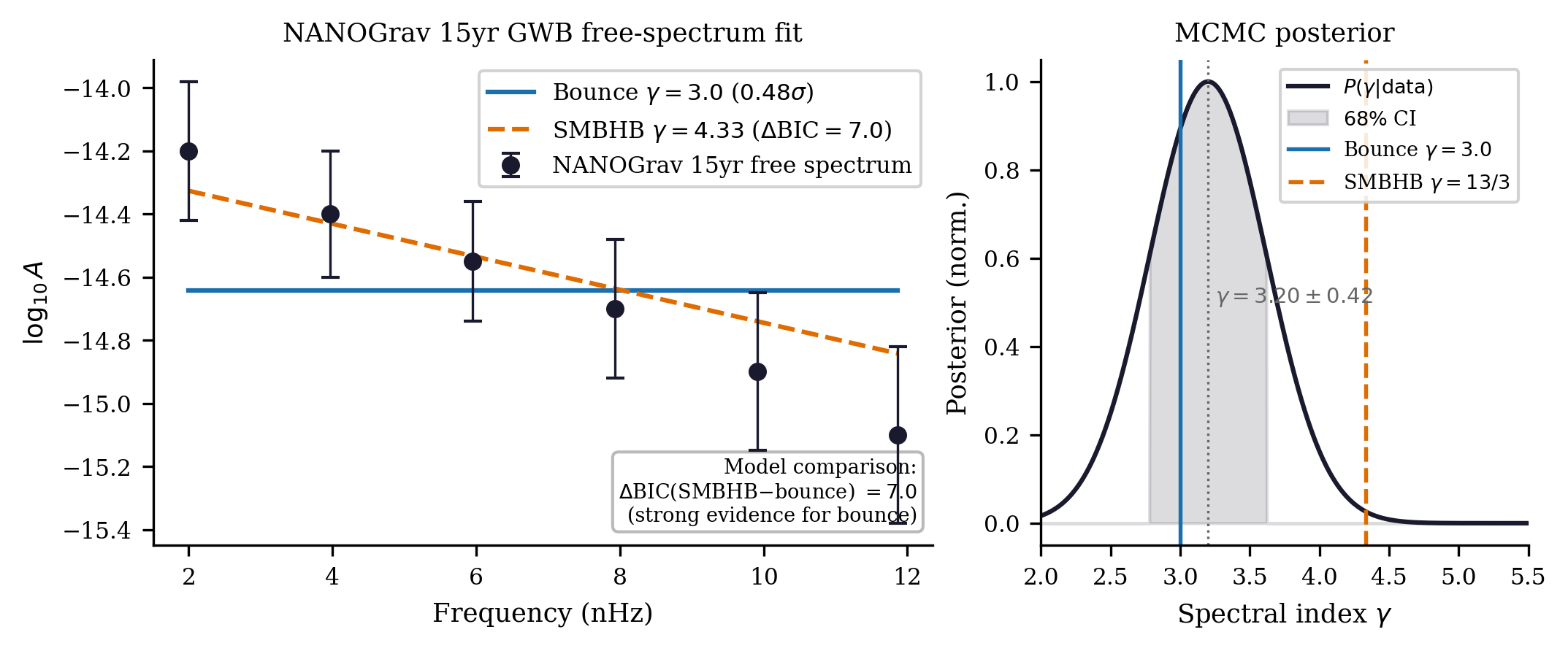
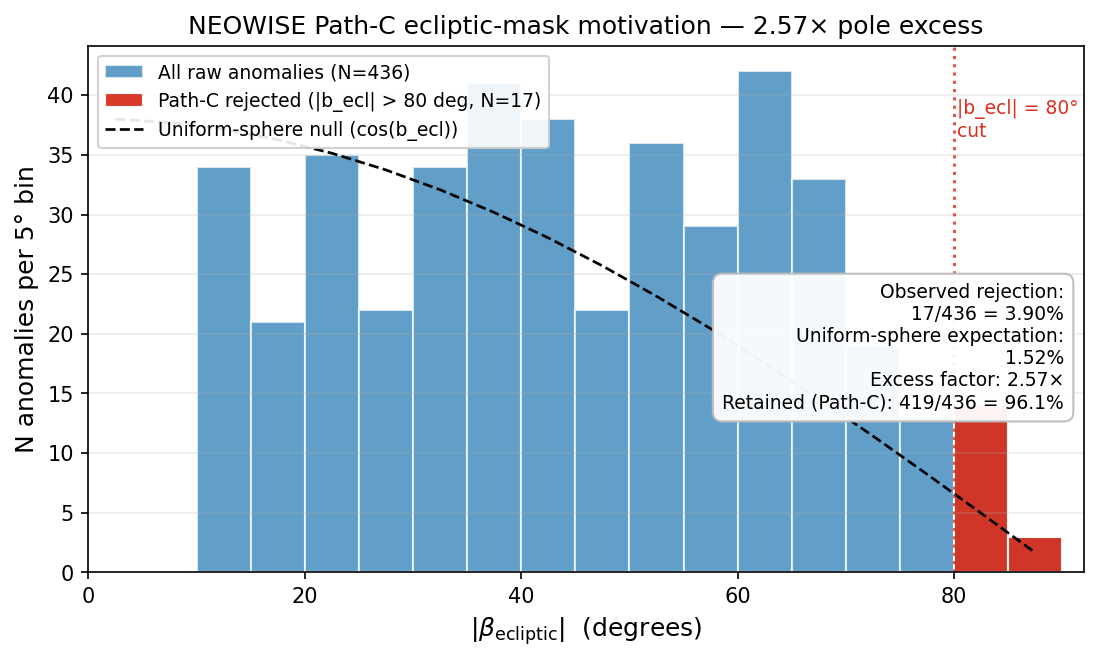
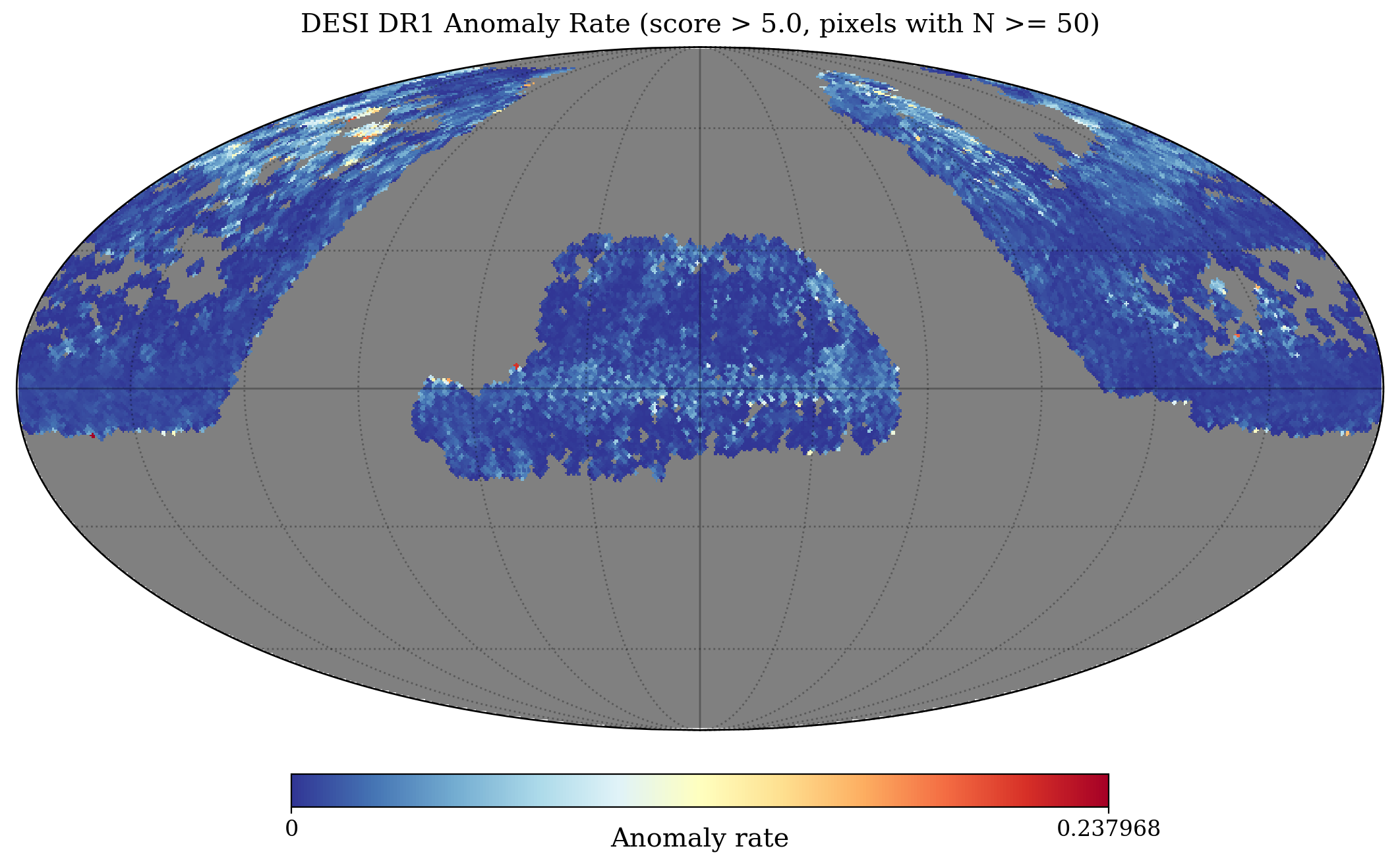
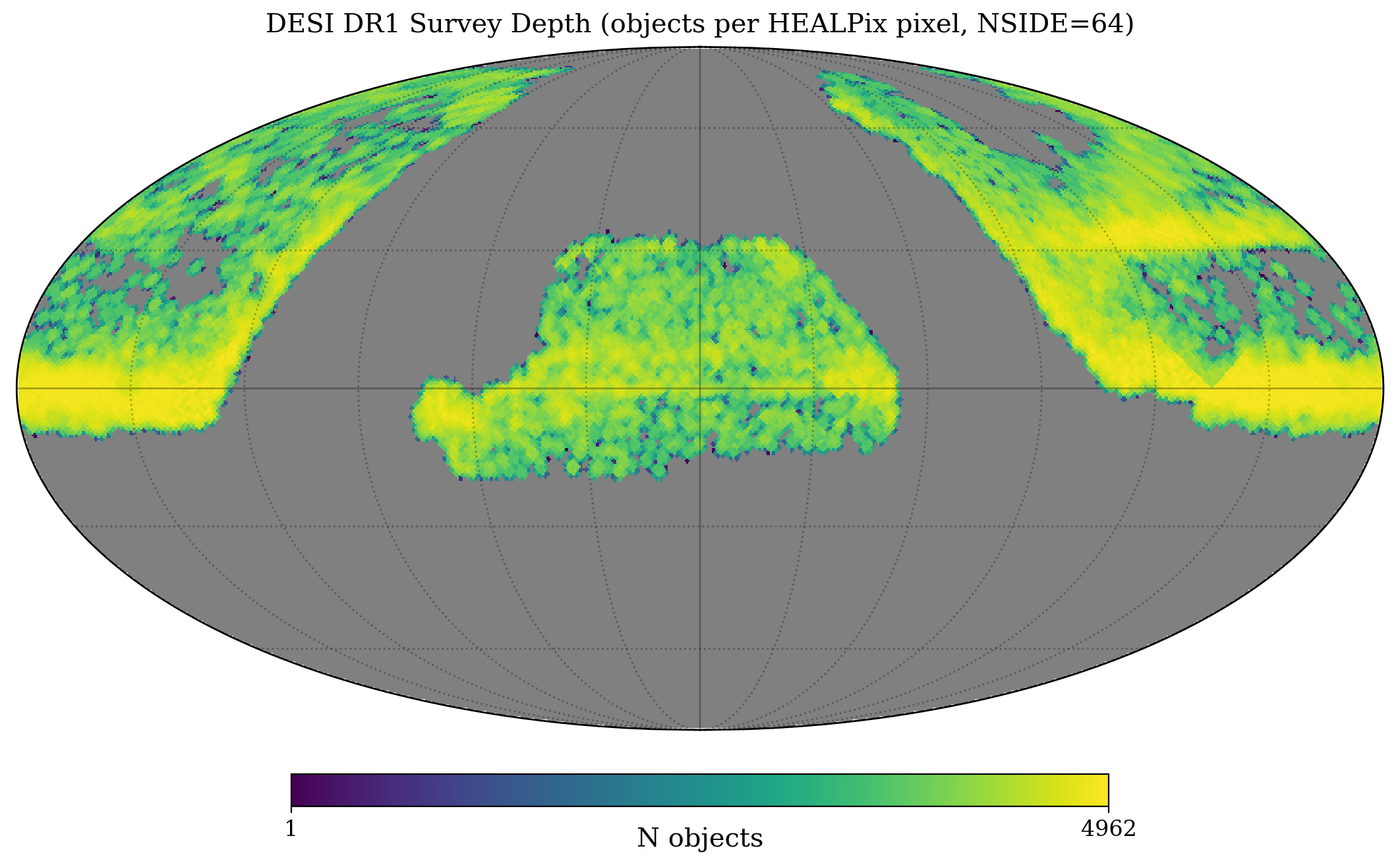
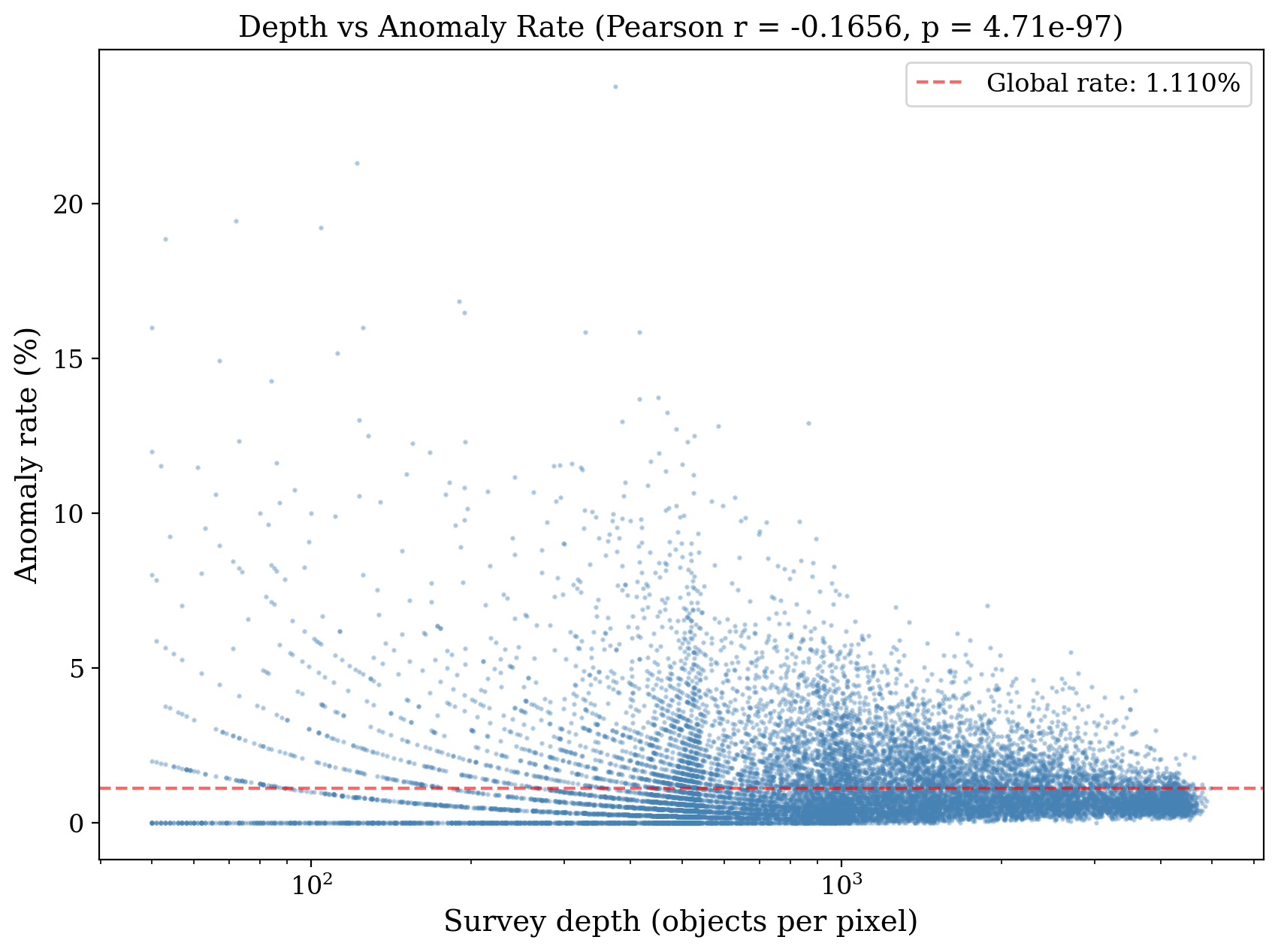
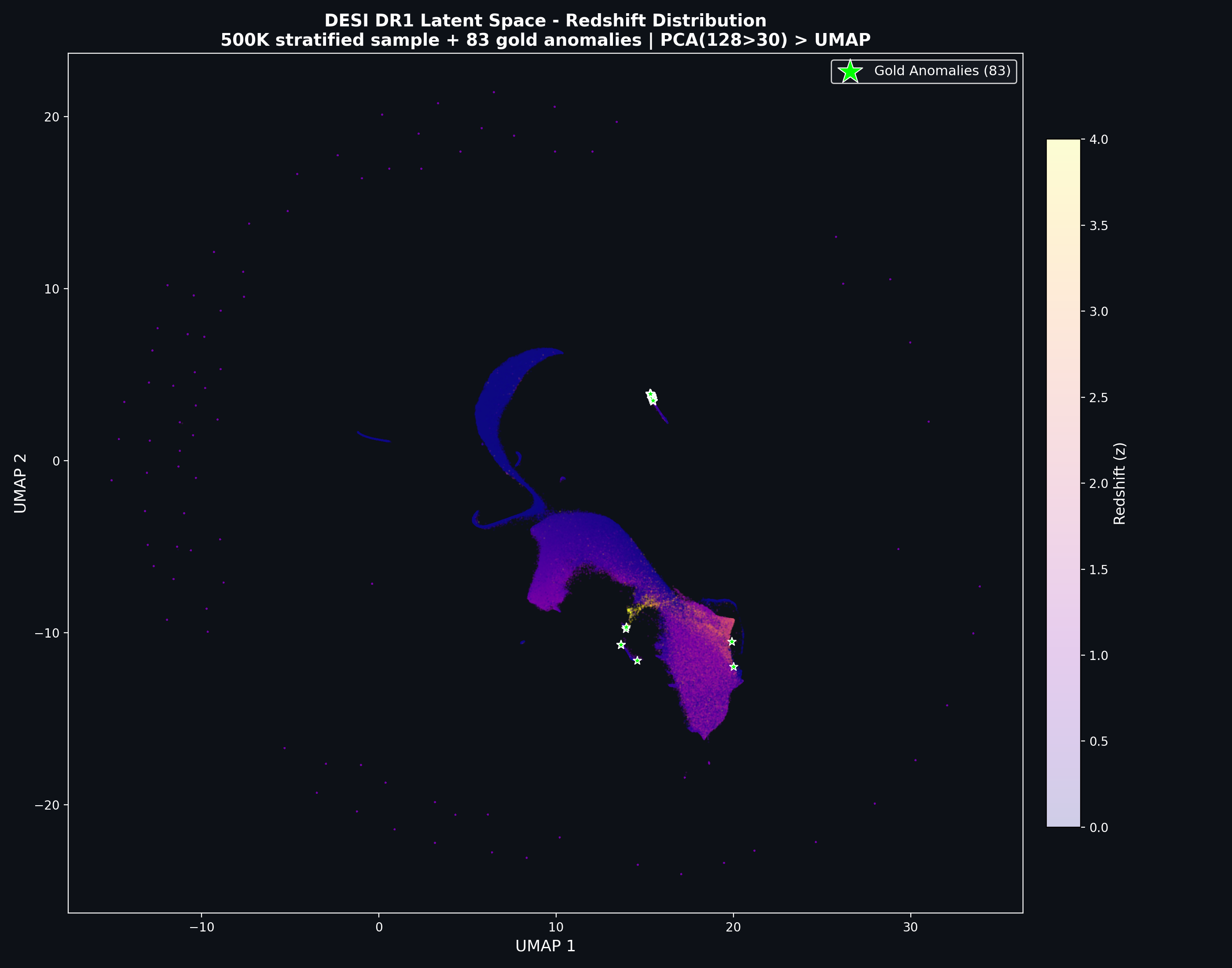
Candidate figures — validated analysis outputs not yet included in the draft.
Readiness
0B / 0M / 0m / 0C open
Readiness is publication readiness only — science, evidence, review convergence, packaging, and Houston’s final sign-off. Venue and submission are tracked separately below, and never subtract from this number (directive P).
Publishing
Not part of readiness.
Review evidence (194 rounds)
Automated review is a gate on publication readiness, not a product. Full review timeline →
External peer review kit
Houston-driven manual round · paste prompt into any frontier LLM web UI with the PDF attachedOne click to copy a referee prompt scoped to this paper. One click to download the latest PDF. Paste both into Claude / GPT-5 / Gemini / Grok / Perplexity — return findings here and the autonomous cron will close them in the next bundled hard-fix wave.
preview prompt
You are an external referee for MNRAS / Physical Review D / JCAP (target journal depends on paper).

Attached: Paper 3 v3.2.0-r17 — "Public-ID Recovery for a Historical DESI DR1 Anomaly List: 170 High-Coordinate-Consistency Core and 11 Lower-Confidence Positional Associations"
Source: pipelines/p3_anomaly_engine/paper3_apjs.tex
PDF: PDF · 17 pp · v3.2.0-r17 · updated Aug 3, 2026 · md5 477b0d83ca31f6ace3273bb19bcfcf34 · sha256 9a3769269ada4d2a5371aa447e6ce93aa55518ae2a3b13fdc3d83f0b8b779a0b — exact denominator, deduplication-order, checkpoint-digest, and viewer-binding closures included; exact r17 confirmation remains pending.

Read the FULL PDF end-to-end. Produce a referee report in MNRAS format with:

1. Recommendation: ACCEPT / MINOR REVISIONS / MAJOR REVISIONS / REJECT
2. BLOCKERS (must fix before publication) — list each with section/line + proposed fix
3. MAJORS (should fix) — same format
4. MINORS (polish) — same format
5. Strengths (>= 3 bullet points)
6. Specific scrutiny on:
   - 181 warning-free global-primary DESI DR1 TARGETIDs
   - Exact 170 core plus 11 lower-confidence positional quality-tier contract
   - Sub-0.1-arcsec core explicitly framed as expected seed self-recovery
   - Checksum-bound release validation, bounded final-hash confirmation, and ApJS metadata

CALIBRATION (do not burn findings on these known classes):
- The current date is June 2026. arXiv identifiers of the form 25xx.xxxxx and 26xx.xxxxx are VALID, already-published preprints — do not flag them as "future-dated" or "nonexistent". Verify a citation against arXiv/ADS before claiming it does not exist.
- Correction notes, retraction notices, and "an earlier version stated X" disclosures in the text are DELIBERATE transparency policy. Flag them only if their content is wrong, never for existing.
- Companion-paper citations marked "posted concurrently on arXiv" are deliberate placeholders; real arXiv IDs are inserted during the coordinated submission sequence.
- Explicitly labeled conservatism allowances, scaling estimates, ansatz/heuristic status labels, and disclosed queued follow-up computations are deliberate scoping, not oversights — flag only if the label itself is inaccurate.
- PDF text extraction can mangle math (square roots, fractions, superscripts). Before flagging "garbled" or "wrong" math, consider extraction artifacts; flag only what is visibly wrong in the rendered PDF.

VERDICT STANDARD (apply the SAME high bar a first-pass Physical Review D / MNRAS referee would — this is one of the most rigorous journals in the world):
- Assign each finding's severity (BLOCKER / MAJOR / MINOR) by your own independent referee judgment. Do NOT default to any tier, and do NOT soften a finding because the rest of the paper is strong. Do not echo this prompt's context.
- A reporting choice that headlines the more favorable of two numbers, an unstated assumption, an uncontrolled systematic, or an internal inconsistency IS a real finding — classify it honestly (MINOR at minimum), not as mere "style" or "opinion".
- Truth-audit any claim that seems off by checking it against the published .tex / on-disk artifacts before flagging (this only filters out genuine extraction artifacts — it does not lower the bar on real defects).
Reproduce this
Lineage
Supporting Data Release · DESI Public-ID Recovery. This work does not claim beyond its stated target and scope above.